When you click on links to various merchants on this site and make a purchase, this can result in this site earning a commission. Affiliate programs and affiliations include, but are not limited to, the eBay Partner Network.
I finally got around to changing my ATF a few weeks ago as well. I read this thread like 5 times before beginning. Thanks to everyone (especially Davidson and Blnewt) for their valuable insight into the process. Be sure to check out Service Bulletin ITB11-036 as it was really helpful in my understanding the process after reading Davidson’s original post.
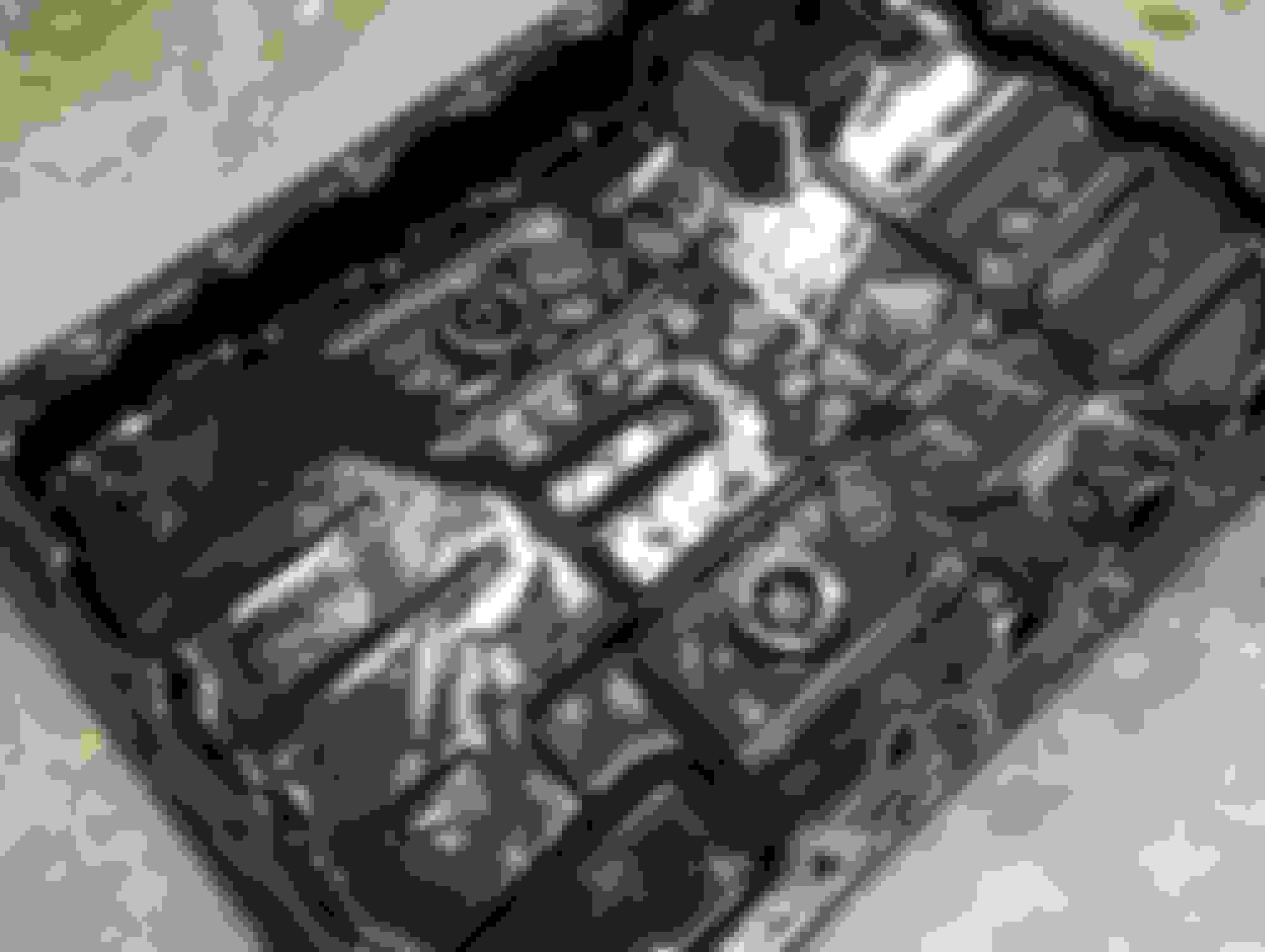
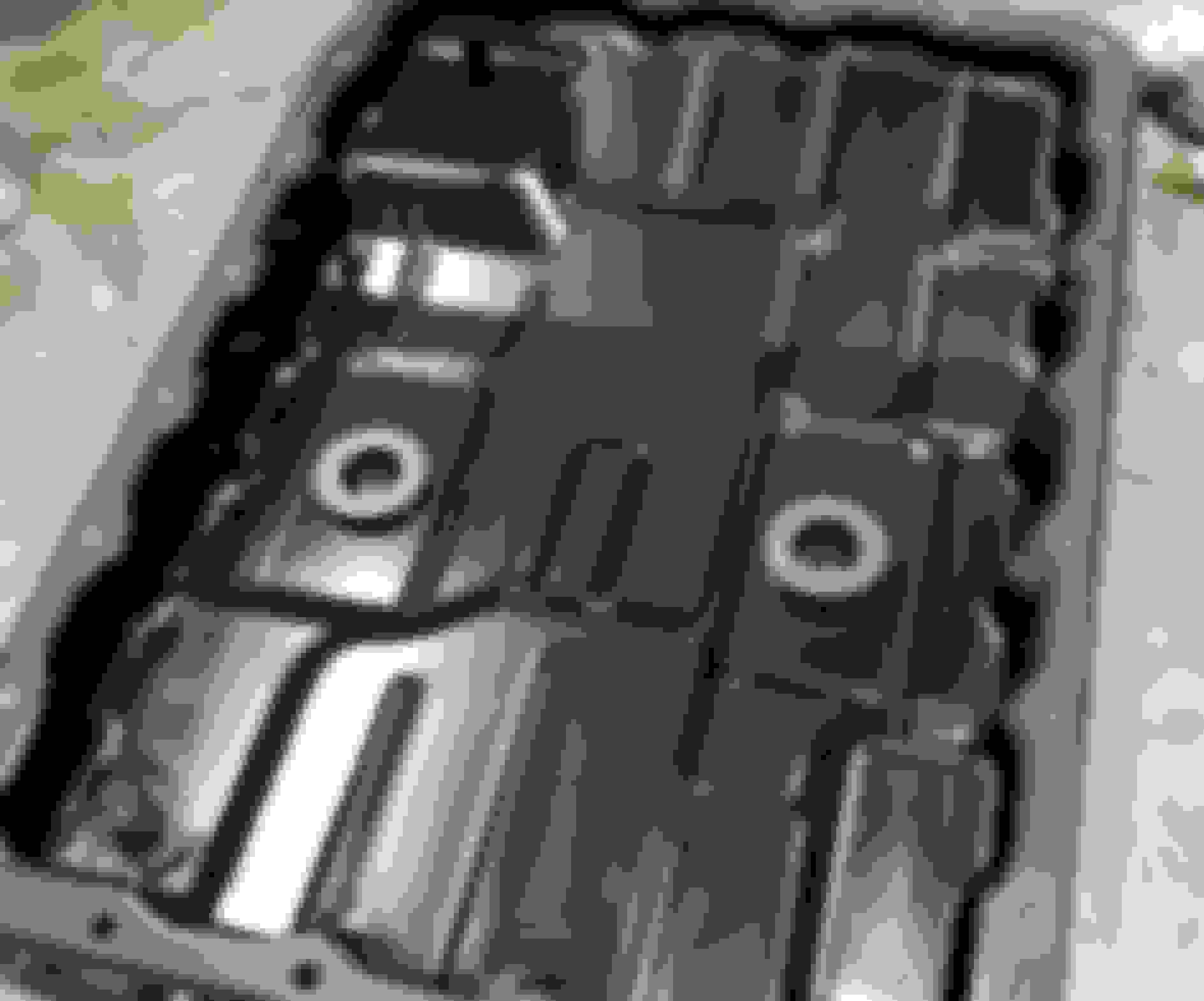
My 2013 G37x has only 38k. Most of my driving is stop and go. I'm so glad I dropped the pan and changed the fluid. The fluid was dark and there was plenty of gunk in the bottom of the pan. I was most worried about loosening the bolts on pan after 5 Midwest winters. To my surprise, since the bolts were only 10mm they came out with no issues at all. The pan gasket (another one of my concerns) was easily able to be reused. Be sure to clean and dry the bolts and threads before reassembling. Use a torque wrench so you don’t over tighten and you should have no problem.
I built an ATF pump (thanks Victory) which made the refill process a breeze. I would recommend buying the cheap sprayer that is recommended in the ATF pump DIY as the Scott’s sprayer I already had laying around and repurposed for this had a super skinny pick up tube. It worked ok but the transfer of oil from the pump to the pan took several minutes even under high pressure. It was still way better than hand pumping it. Here’s a link to a couple cheaper fittings that I used instead of getting at my local home center. They worked great…
I'm so happy I did this now and didn't wait until 60k, 75k, or longer. If you do most the other maintenance to your G and are considering it, my two cents is you do it right now for cheap insurance. It's not as complicated/difficult as it might seem. Spend the the $30 to build the ATF pump. It's worth every penny.
Glad it worked well, I'd strongly consider a pan drop next round w/ that mileage though. Once you have it on stands/ramps it doesn't take too much longer TBH.
I went ahead and dropped the pan today and the magnets had a good but of gunk on them. I cleaned the pan and did 2x drain n fill and later added some lubegard red. I could really tell a big difference in how it quick and smooth it shifts my wife drive it and said she could definitely tell a difference as well.
Hi All. Just wanted to check in to see how things are going and share a transmission oil change video I came across. It's for a Tacoma but same exact concepts apply to us, except on Tacoma there is a separate fill plug which we don't have. I just think that it's easier to grasp a concept by watching a video than reading the steps. Also, at 9:40min in the video is how to check the transmission oil level. Hope someone finds this useful.
Meanwhile, my transmission is at just over 56,000 miles now and continues to work perfectly.
I have been looking at this thread off and on for months and I'm finally going to attempt this soon now. I just need a couple more things to come in the mail before completing the pump. I did want to remove the pan but I'm afraid of breaking my bolts now. But if I do go through with removing the pan do I need to clean and dry the area of the transmission that the pan gasket will sit up against? Does the gasket need to be cleaned dry too? These are really my only questions lol.
I have been looking at this thread off and on for months and I'm finally going to attempt this soon now. I just need a couple more things to come in the mail before completing the pump. I did want to remove the pan but I'm afraid of breaking my bolts now. But if I do go through with removing the pan do I need to clean and dry the area of the transmission that the pan gasket will sit up against? Does the gasket need to be cleaned dry too? These are really my only questions lol.
Should be fine on the bolts just torq them to spec when you put them back in...i wiped both surfaces down as well as the bolts before I reassembled everything.
I have been looking at this thread off and on for months and I'm finally going to attempt this soon now. I just need a couple more things to come in the mail before completing the pump. I did want to remove the pan but I'm afraid of breaking my bolts now. But if I do go through with removing the pan do I need to clean and dry the area of the transmission that the pan gasket will sit up against? Does the gasket need to be cleaned dry too? These are really my only questions lol.
This is a very insightful question. Yes, definitely wipe the flange that the pan gasket sits up against, the gasket surface itself without peeling it from the pan. Also clean the threaded holes which the bolts thread into and the bolts themselves, both threads and the head. When you are putting everything back together everything should be clean and dry. Using a lint-free shop towels, like those blue shop towels you can find in almost any automotive section is plenty sufficient for this.
When manufacturers specify torque settings, like 70 Inch-Pounds (6 Foot-Pounds) in this case, they assume the fasteners are dry. This notion is very important because if a fastener (like a bolt, for example) is contaminated with a lubricant applying a specified torque to it will result in over tightening. It should probably be intuitive because lubricant reduces friction and a resistance as a condequence. I remember seeing a chart somewhere illustrating torque with and without anti-seize compound, and with an anti-seize applied torque had to be up to 60% lower to achieve the same tensile load. So, yes, best to keep the fasteners you torque as clean as possible.
Let me just add that for some fasteners it is assumed that keeping them dry is not possible and torque settings are given with that in mind. Examples include any type of drain and fill plugs, like in a transmission, oil pan, differentials, etc.
Last edited by davison0976; May 16, 2019 at 07:52 AM.
Good info^^^
I removed my gasket from the pan and dried both sides of the gasket off (w/ a lint free shop rag) and the pan/transmission gasket mating surfaces. My OEM gasket came off the pan easily without any distortion but depending on if your AT or motor ever saw extreme temps (or very high mileage) it could be more problematic.
Wow thank you for the detailed responses! I am so thankful all the information in this thread. So use brake cleaner to clean the bolts, and spray it into the threaded holes where the bolts go through, and let the holes air dry? Thanks for all the specifics! I didn't even think about leaving the gasket attached to the pan. Thanks for that idea too, and also specifying the type of towel and the wet and dry torque.
Good info^^^
I removed my gasket from the pan and dried both sides of the gasket off (w/ a lint free shop rag) and the pan/transmission gasket mating surfaces. My OEM gasket came off the pan easily without any distortion but depending on if your AT or motor ever saw extreme temps (or very high mileage) it could be more problematic.
This is very interesting because my 2013 did NOT have a removal gasket. It was just a super thin gasket that was adhered directly to the pan itself. It was probably no more than 1mm thick and could not be removed. I'm guessing a thicker gasket was used on earlier Gs. I wish I had taken some closer up pics of the gasket...
This is very interesting because my 2013 did NOT have a removal gasket. It was just a super thin gasket that was adhered directly to the pan itself. It was probably no more than 1mm thick and could not be removed. I'm guessing a thicker gasket was used on earlier Gs. I wish I had taken some closer up pics of the gasket...
Well now you've got me second guessing myself, after the G37 ATF change I did the same thing to my old Maxima w/ AT. I did remove and clean that gasket and that one had a filter to change as well. The Maxima was only done a few months back and the G was a few years ago so it's possible that mine had that same gasket as yours and forgot, but ???
So use brake cleaner to clean the bolts, and spray it into the threaded holes where the bolts go through, and let the holes air dry!
That definitely wouldn’t hurt, but you can achieve a great result by wiping and cleaning with shop towels alone. Some atf residue will definitely stay at a molecular level, but that’s not a big deal. As long as there is no visible atf lubricant left. Depends on how thorough you want to be.