


Car been in the shop for two days thanks to highway vibration


Highway vibration *edit* opinions needed
Been getting a slight vibration around 60-65mph since I have installed my new wheels. Alignment done, balance done, tires good, wheels are spot on. Couldn't figure it out until we took a look at the Hub Rings. The wheels have a bore of 67.1, ours are 66.1, so I am going to order better ones. Hopefully that will fix the vibration. 
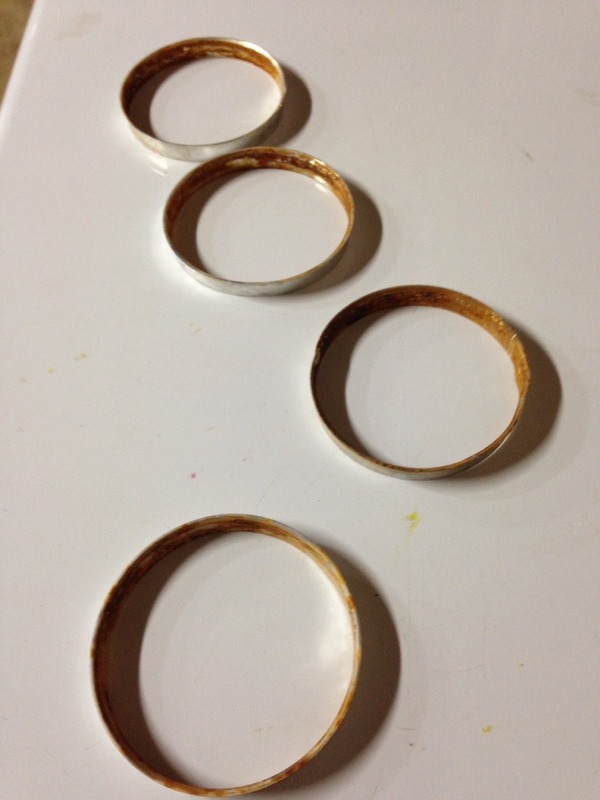
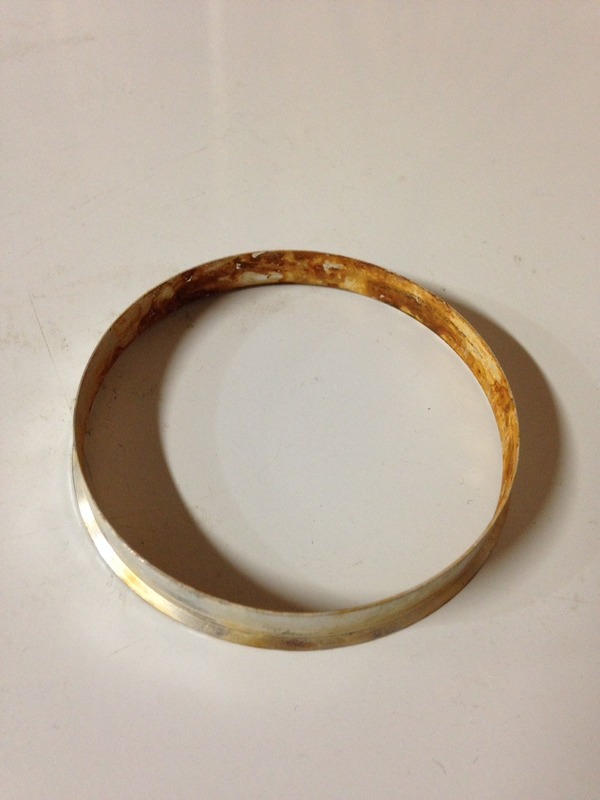


Last edited by e3phung; Apr 15, 2015 at 12:29 AM.



Registered User
Joined: Oct 2014
Posts: 459
Likes: 142
From: SF east bay area (925)

Alrighty, I am glad to say that the vibration has significantly improved. If riding with stock wheels is a 10, I would say its about a 9. Of course with 19 inch wheels and thinner tires, it will never ride as well with stock tires.
I am getting a very slight vibration around around 60-65mph, but I feel that coming from stock wheels to aftermarket of course the ride is not going to be as smooth. It could be all in my head but will riding with a slight vibration going to cause any problems in the long run?
Trending Topics

Registered User
Joined: Jul 2014
Posts: 331
Likes: 77
You see that blue dot on one of your studs? Its significant. When you mount your wheel, situate the valve stem at that stud, or as close to it as possible. You don't want the blue dot wheel stud at 12:00 and the valve stem at 3:00. Make sense?
Also, if you are using a locking security lug nut, consider removing it for testing purposes and test drive with 5 regular nuts. Good luck.
Also, if you are using a locking security lug nut, consider removing it for testing purposes and test drive with 5 regular nuts. Good luck.

Registered User
Joined: Jul 2012
Posts: 971
Likes: 131
Registered User
Joined: Jul 2014
Posts: 331
Likes: 77
Serious. And if OP isn't having them road-force balanced, he is spinning his wheels.
Remove tires from wheels, remove all counterweights. High speed spin each wheel and find the out of round. High speed is 135 MPH. EVERY wheel has an out of round, even fancy expensive aftermarket. This out of round is indicated by a small dab of paint on OEM wheels, believe mine were blue. Mark each wheel. Remount tire, inflate & high speed spin. They will be out of balance as every tire also is out of round. Instead of arbitrarily adding counterweight to compensate, the tech will then deflate and rotate tire on wheel in correlation to mentioned out of round dot. Reinflate and respin, likely this will take a few tries. Once completed you will find wheel/tire is balanced with much less pound on or stick on wheel weights. The goal is to find the sweet spot between an out of round tire and an out of round wheel.
On my last set of tires on my G35, no wheel had counterweights. On my BMW, only 1 wheel has a counterweight, the smallest size.
Ask about indexing the tires. If they look at you with a blank stare, you are at the wrong shop. Indexing is removing rubber from the tire. Shaving off a highspot, usually where the each end of the rubber meet. (your tread is one long piece of rubber that is attached end-to-end) Its called runout. A road-force balancer will detect runout. It must be road-force. A common spinning balancer will not. Rubber can be shaved from the outside. If the issue is on the outside sidewall, they can shave from the inside the tire. Hope this makes sense, but a knowledgeable tire shop can do this. A not so knowledgeable tire shop will keep hammering weights onto the wheel and tell you its good.
Most Porsche owners manuals mention aligning the valve stem with the painted dot on the wheel stud.
Remove tires from wheels, remove all counterweights. High speed spin each wheel and find the out of round. High speed is 135 MPH. EVERY wheel has an out of round, even fancy expensive aftermarket. This out of round is indicated by a small dab of paint on OEM wheels, believe mine were blue. Mark each wheel. Remount tire, inflate & high speed spin. They will be out of balance as every tire also is out of round. Instead of arbitrarily adding counterweight to compensate, the tech will then deflate and rotate tire on wheel in correlation to mentioned out of round dot. Reinflate and respin, likely this will take a few tries. Once completed you will find wheel/tire is balanced with much less pound on or stick on wheel weights. The goal is to find the sweet spot between an out of round tire and an out of round wheel.
On my last set of tires on my G35, no wheel had counterweights. On my BMW, only 1 wheel has a counterweight, the smallest size.
Ask about indexing the tires. If they look at you with a blank stare, you are at the wrong shop. Indexing is removing rubber from the tire. Shaving off a highspot, usually where the each end of the rubber meet. (your tread is one long piece of rubber that is attached end-to-end) Its called runout. A road-force balancer will detect runout. It must be road-force. A common spinning balancer will not. Rubber can be shaved from the outside. If the issue is on the outside sidewall, they can shave from the inside the tire. Hope this makes sense, but a knowledgeable tire shop can do this. A not so knowledgeable tire shop will keep hammering weights onto the wheel and tell you its good.
Most Porsche owners manuals mention aligning the valve stem with the painted dot on the wheel stud.

Serious. And if OP isn't having them road-force balanced, he is spinning his wheels.
Remove tires from wheels, remove all counterweights. High speed spin each wheel and find the out of round. High speed is 135 MPH. EVERY wheel has an out of round, even fancy expensive aftermarket. This out of round is indicated by a small dab of paint on OEM wheels, believe mine were blue. Mark each wheel. Remount tire, inflate & high speed spin. They will be out of balance as every tire also is out of round. Instead of arbitrarily adding counterweight to compensate, the tech will then deflate and rotate tire on wheel in correlation to mentioned out of round dot. Reinflate and respin, likely this will take a few tries. Once completed you will find wheel/tire is balanced with much less pound on or stick on wheel weights. The goal is to find the sweet spot between an out of round tire and an out of round wheel.
On my last set of tires on my G35, no wheel had counterweights. On my BMW, only 1 wheel has a counterweight, the smallest size.
Ask about indexing the tires. If they look at you with a blank stare, you are at the wrong shop. Indexing is removing rubber from the tire. Shaving off a highspot, usually where the each end of the rubber meet. (your tread is one long piece of rubber that is attached end-to-end) Its called runout. A road-force balancer will detect runout. It must be road-force. A common spinning balancer will not. Rubber can be shaved from the outside. If the issue is on the outside sidewall, they can shave from the inside the tire. Hope this makes sense, but a knowledgeable tire shop can do this. A not so knowledgeable tire shop will keep hammering weights onto the wheel and tell you its good.
Most Porsche owners manuals mention aligning the valve stem with the painted dot on the wheel stud.
Remove tires from wheels, remove all counterweights. High speed spin each wheel and find the out of round. High speed is 135 MPH. EVERY wheel has an out of round, even fancy expensive aftermarket. This out of round is indicated by a small dab of paint on OEM wheels, believe mine were blue. Mark each wheel. Remount tire, inflate & high speed spin. They will be out of balance as every tire also is out of round. Instead of arbitrarily adding counterweight to compensate, the tech will then deflate and rotate tire on wheel in correlation to mentioned out of round dot. Reinflate and respin, likely this will take a few tries. Once completed you will find wheel/tire is balanced with much less pound on or stick on wheel weights. The goal is to find the sweet spot between an out of round tire and an out of round wheel.
On my last set of tires on my G35, no wheel had counterweights. On my BMW, only 1 wheel has a counterweight, the smallest size.
Ask about indexing the tires. If they look at you with a blank stare, you are at the wrong shop. Indexing is removing rubber from the tire. Shaving off a highspot, usually where the each end of the rubber meet. (your tread is one long piece of rubber that is attached end-to-end) Its called runout. A road-force balancer will detect runout. It must be road-force. A common spinning balancer will not. Rubber can be shaved from the outside. If the issue is on the outside sidewall, they can shave from the inside the tire. Hope this makes sense, but a knowledgeable tire shop can do this. A not so knowledgeable tire shop will keep hammering weights onto the wheel and tell you its good.
Most Porsche owners manuals mention aligning the valve stem with the painted dot on the wheel stud.
Original Equipment (OE) tire suppliers are required to mark the tire's "high point" while OE wheel manufacturers mark the wheel's "low point." This helps the vehicle manufacturer match mount combinations that maximize new car ride quality while reducing the amount of balancing weight.
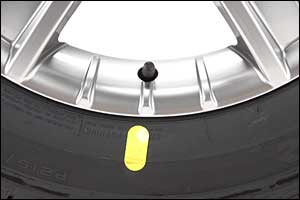
Today, many vehicle manufacturers specify the use of a temporary tag applied to tires and wheels that are removed before the vehicle is put into service. Unfortunately, this means that there are no permanent marks to reference later.
There was a time when the valve stem hole on standard wheels indicated the optimum place to which the tire should be match mounted. However, with the advent of styled, steel wheels and aluminum alloy wheels, the stem position evolved into an aesthetic issue rather than being a uniformity indicator. Add to this the probability of wheels retaining their original runout after thousands of miles of use and you can understand that simply mounting the tire so the colored dot is at the valve stem is no longer required practice.
We have found that the only way to accurately match mount replacement tires on used original or new aftermarket wheels is to use Hunter tire balancers which have the ability to measure wheel runout and tire force variations under load before the tire and wheel are installed on the vehicle. Using these machines, a colored dot might be positioned anywhere on the wheel relative to each wheel's runout measurement. In the end, the markers have little, if any, relevance when replacement tires are installed.
Serious. And if OP isn't having them road-force balanced, he is spinning his wheels.
Remove tires from wheels, remove all counterweights. High speed spin each wheel and find the out of round. High speed is 135 MPH. EVERY wheel has an out of round, even fancy expensive aftermarket. This out of round is indicated by a small dab of paint on OEM wheels, believe mine were blue. Mark each wheel. Remount tire, inflate & high speed spin. They will be out of balance as every tire also is out of round. Instead of arbitrarily adding counterweight to compensate, the tech will then deflate and rotate tire on wheel in correlation to mentioned out of round dot. Reinflate and respin, likely this will take a few tries. Once completed you will find wheel/tire is balanced with much less pound on or stick on wheel weights. The goal is to find the sweet spot between an out of round tire and an out of round wheel.
On my last set of tires on my G35, no wheel had counterweights. On my BMW, only 1 wheel has a counterweight, the smallest size.
Ask about indexing the tires. If they look at you with a blank stare, you are at the wrong shop. Indexing is removing rubber from the tire. Shaving off a highspot, usually where the each end of the rubber meet. (your tread is one long piece of rubber that is attached end-to-end) Its called runout. A road-force balancer will detect runout. It must be road-force. A common spinning balancer will not. Rubber can be shaved from the outside. If the issue is on the outside sidewall, they can shave from the inside the tire. Hope this makes sense, but a knowledgeable tire shop can do this. A not so knowledgeable tire shop will keep hammering weights onto the wheel and tell you its good.
Most Porsche owners manuals mention aligning the valve stem with the painted dot on the wheel stud.
Remove tires from wheels, remove all counterweights. High speed spin each wheel and find the out of round. High speed is 135 MPH. EVERY wheel has an out of round, even fancy expensive aftermarket. This out of round is indicated by a small dab of paint on OEM wheels, believe mine were blue. Mark each wheel. Remount tire, inflate & high speed spin. They will be out of balance as every tire also is out of round. Instead of arbitrarily adding counterweight to compensate, the tech will then deflate and rotate tire on wheel in correlation to mentioned out of round dot. Reinflate and respin, likely this will take a few tries. Once completed you will find wheel/tire is balanced with much less pound on or stick on wheel weights. The goal is to find the sweet spot between an out of round tire and an out of round wheel.
On my last set of tires on my G35, no wheel had counterweights. On my BMW, only 1 wheel has a counterweight, the smallest size.
Ask about indexing the tires. If they look at you with a blank stare, you are at the wrong shop. Indexing is removing rubber from the tire. Shaving off a highspot, usually where the each end of the rubber meet. (your tread is one long piece of rubber that is attached end-to-end) Its called runout. A road-force balancer will detect runout. It must be road-force. A common spinning balancer will not. Rubber can be shaved from the outside. If the issue is on the outside sidewall, they can shave from the inside the tire. Hope this makes sense, but a knowledgeable tire shop can do this. A not so knowledgeable tire shop will keep hammering weights onto the wheel and tell you its good.
Most Porsche owners manuals mention aligning the valve stem with the painted dot on the wheel stud.

You see that blue dot on one of your studs? Its significant. When you mount your wheel, situate the valve stem at that stud, or as close to it as possible. You don't want the blue dot wheel stud at 12:00 and the valve stem at 3:00. Make sense?
Also, if you are using a locking security lug nut, consider removing it for testing purposes and test drive with 5 regular nuts. Good luck.
Also, if you are using a locking security lug nut, consider removing it for testing purposes and test drive with 5 regular nuts. Good luck.


Thread
Thread Starter
Forum
Replies
Last Post
m1cha3l
Buying & Leasing
41
Mar 9, 2019 12:56 PM
b2autodesigns
Brakes/Suspension
128
Mar 24, 2018 07:44 PM
Sway_NV
Engine, Drivetrain & Forced-Induction
9
Aug 15, 2015 09:36 PM

